The short answer
If your heater blows cold air, short-cycles, makes new noises, or won't turn on, Ventora HVAC Repair Service diagnoses the cause and repairs furnaces, heat pumps, and wall heaters in Reseda and nearby areas. You get a written estimate to approve before work begins, plus a straight answer on whether repair or replacement makes more sense.
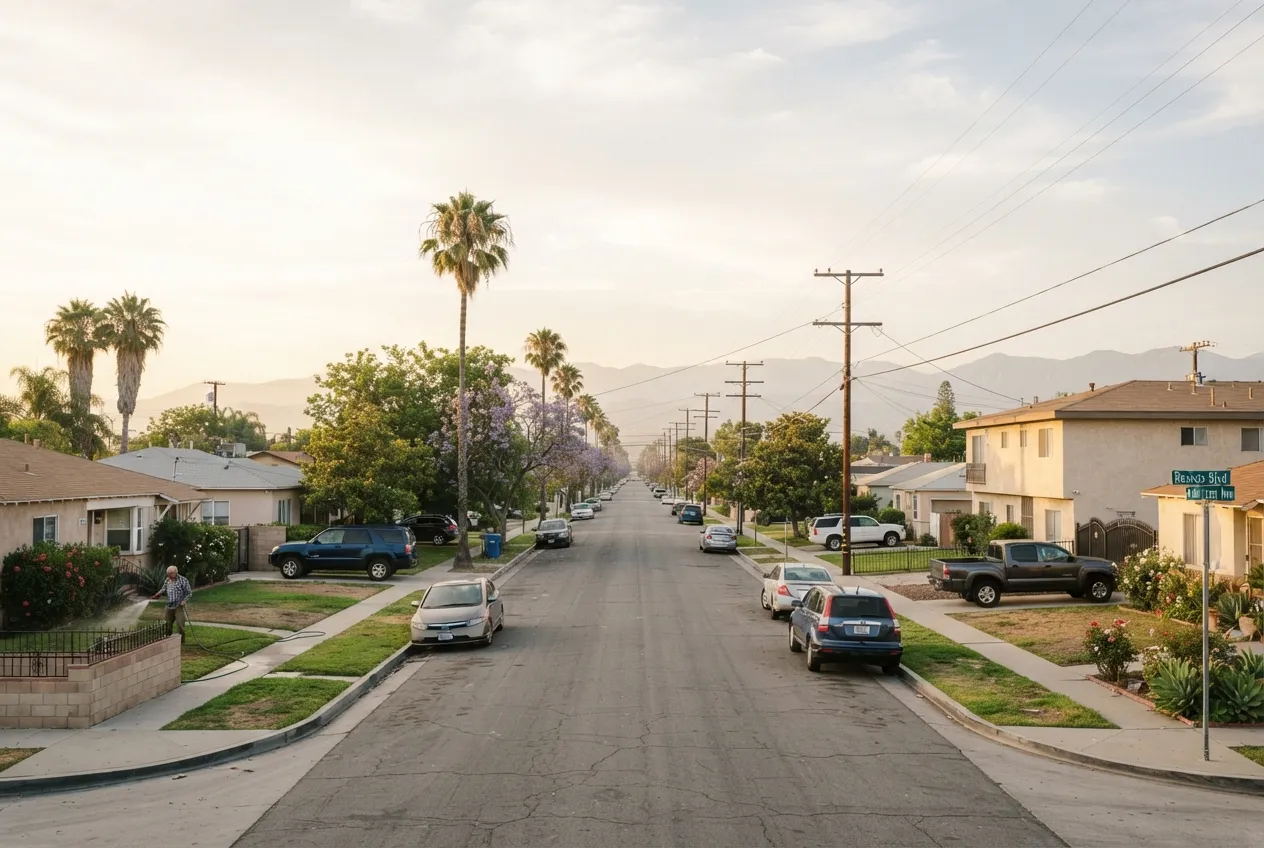
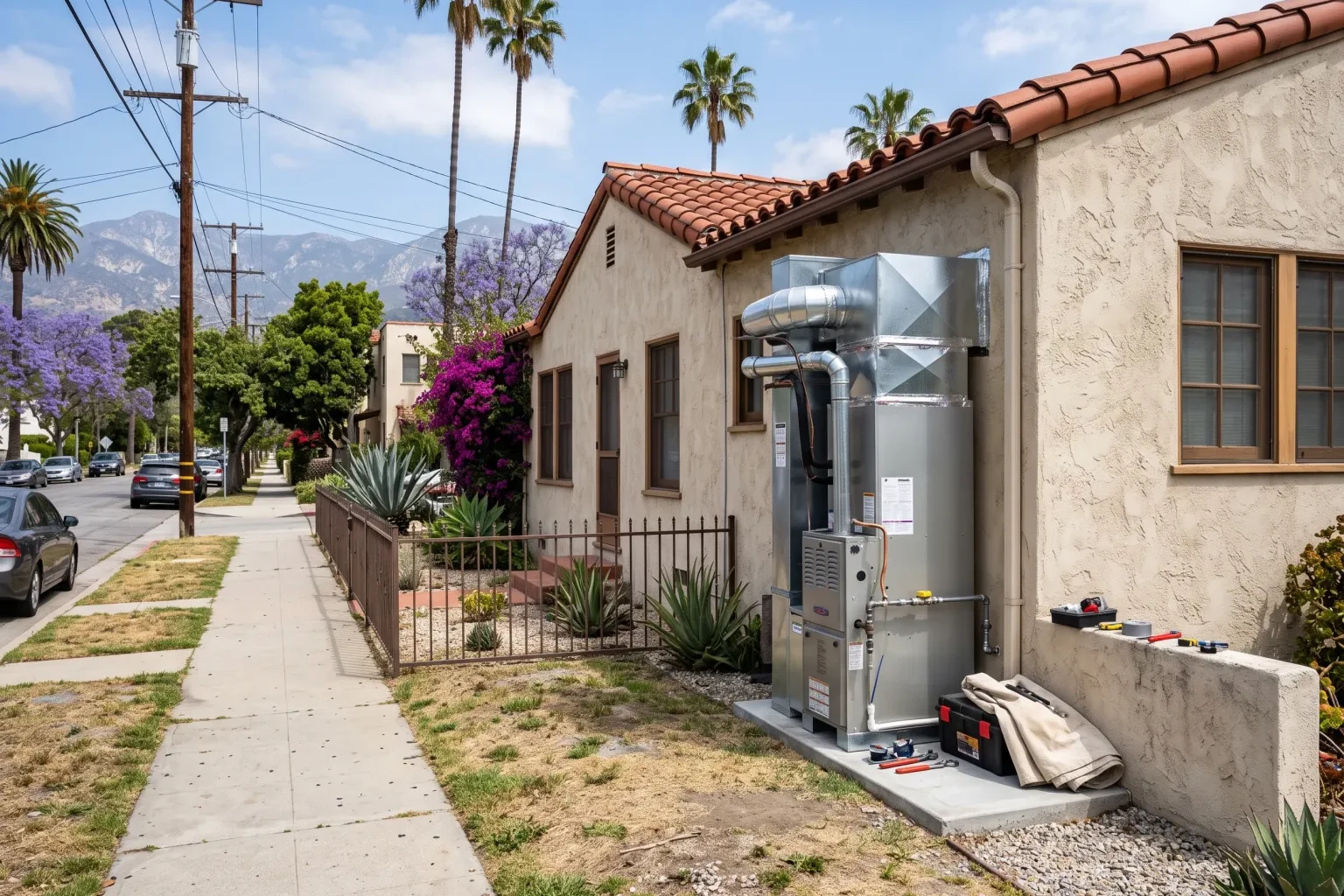
Winters in Reseda are mild, but San Fernando Valley nights still get cold, and a furnace that sat idle through a long, hot summer can be slow to start. If your heat won't come on, runs constantly, or makes new noises, Ventora HVAC Repair Service sends a technician to find the cause and explain your options before any work starts. We repair gas furnaces, heat pumps, and wall and floor heaters in Reseda and nearby Valley communities. This page covers the warning signs worth acting on, what we inspect during a repair visit, how to decide between repair and replacement, what affects the cost, and what to expect when we come out.
Signs Your Heating System Needs Repair
Most heating problems give some warning before the system stops completely. Catching them early often means a smaller repair and less time without heat.
A brief burning smell the first time you turn on the heat in fall is usually dust burning off inside the furnace. If the smell lingers or smells electrical, turn the system off and have it checked.
- The system runs but blows cool or lukewarm air
- The furnace turns on and off in short, frequent cycles
- Some rooms stay cold while others warm up normally
- Banging, squealing, rattling, or grinding sounds from the unit or ductwork
- The igniter or pilot won't stay lit, or the burner flame looks yellow instead of blue
- The thermostat doesn't seem to control the system
- Energy bills climb even though you haven't changed how you use the heat
- A gas smell near the furnace: leave the house and call your gas utility from outside
What We Check During a Heating Repair Visit
We start with what you've noticed: when the problem began, what it sounds or smells like, and whether it happens every time or only now and then. Then we work through the system in order, because one symptom can have several causes.
If we find a cracked heat exchanger or a venting problem, we'll tell you plainly. Those problems can let combustion gases, including carbon monoxide, into the living space. Any home with gas appliances should have working carbon monoxide alarms.
- Thermostat settings, wiring, batteries, and calibration
- Air filter condition and airflow at supply and return vents
- Igniter or pilot assembly, flame sensor, and burners
- Gas valve operation and gas pressure on furnaces
- Heat exchanger condition, looking for cracks or corrosion
- Blower motor, capacitor, and fan wheel
- Limit switches, pressure switches, inducer motor, and the control board, including any error codes
- Flue and venting for blockages or poor draft
- On heat pumps: reversing valve, defrost controls, refrigerant circuit, and the outdoor unit
- Visible ductwork for disconnected or leaking sections
Repair or Replace: How to Decide
Many heating problems come down to one worn part, such as a flame sensor, igniter, capacitor, or inducer motor. Replacing that part puts the system back in good working order, and repair is usually the sensible choice.
Replacement starts to make more sense when the system is near the end of its expected life, needs repeated repairs, has a failed heat exchanger, or no longer heats the house evenly. We'll show you what we found and lay out both options so you can compare them yourself. Our aim is to recommend replacement only when a repair no longer makes sense.
If you do replace a gas furnace, local rules matter. South Coast AQMD Rule 1111 limits nitrogen oxide emissions from gas central furnaces sold and installed in the Los Angeles region, and the district has been amending it toward zero-emission requirements. The district sets and revises the compliance dates, so check the current rule before you choose new equipment. We can walk you through what it means for your home.
Many homeowners also look at heat pumps, which heat and cool with one system and suit the Valley's hot summers and mild winters. LADWP residential electric customers can apply for rebates on qualifying heat pump systems, with the amount based on the unit's SEER2 and HSPF2 ratings. You apply after the equipment is purchased and installed, within 12 months of purchase. Some homes in nearby cities are served by Southern California Edison instead, so the rebates available depend on your utility, and we confirm the current offer before quoting it. The federal 25C tax credit only covered qualifying heat pumps placed in service before December 31, 2025, so it doesn't apply to new installations.
What Affects the Cost of a Heating Repair
We can't price a repair until we know what's wrong, but these factors drive most of the cost:
You'll get a written estimate and approve it before we start any repair work.
- Which part failed, and whether it's a common part or brand-specific
- How long the diagnosis and repair take
- Access to the unit: attics, crawl spaces, and tight closets take more time
- System type: gas furnace, heat pump, wall heater, or floor furnace
- The equipment's age and how easy it is to find replacement parts
- Whether the visit falls during regular hours or after hours
- Related problems found during the inspection, such as duct damage or venting issues
How a Heating Repair Visit Works
Before we arrive, check a few simple things: thermostat batteries and settings, the furnace power switch, your electrical panel for a tripped breaker, and the air filter. A clogged filter or tripped breaker sometimes explains the whole problem.
Here's what happens once we're scheduled:
- Scheduling: tell us what's happening and what type of system you have
- Arrival: your technician reviews the problem with you and asks about the system's history
- Diagnosis: we inspect and test the system to find the cause, not just the symptom
- Estimate: we explain what we found and give you a written estimate with your options
- Repair: we complete the work you approve, often in the same visit when parts are on hand
- Testing: we run a full heating cycle and check temperature rise, safety controls, and thermostat response
- Wrap-up: we explain what was done and share simple maintenance steps to prevent repeat problems
Heating Repair by city
- Heating Repair in Hidden Hills
- Heating Repair in San Fernando
- Heating Repair in Calabasas
- Heating Repair in Beverly Hills
- Heating Repair in West Hollywood
- Heating Repair in Burbank
- Heating Repair in Santa Monica
- Heating Repair in Los Angeles
- Heating Repair in Simi Valley
- Heating Repair in Agoura Hills
- Heating Repair in Culver City
- Heating Repair in Santa Clarita