The short answer
HVAC maintenance is a scheduled inspection, cleaning and test of your heating and cooling system, ideally once before summer and once before winter. It catches small problems early, keeps airflow and efficiency where they should be, and gives you time to plan if a major repair or replacement is coming.
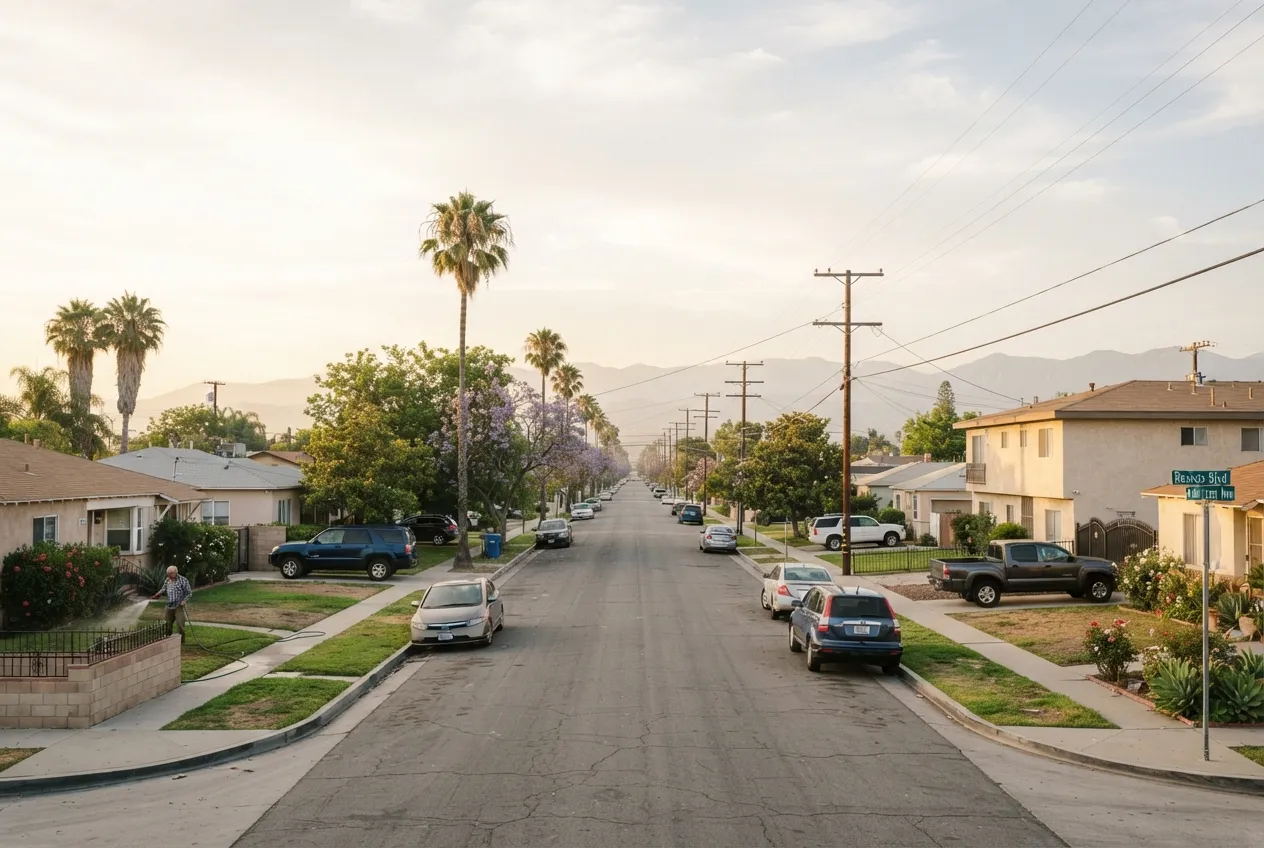
Reseda and the rest of the San Fernando Valley get much hotter in summer than neighborhoods near the coast. Fall Santa Ana winds can bring hot, dry spells well after summer ends. That puts real hours on an air conditioner, and the furnace or heat pump still has to handle cool winter nights. Regular maintenance keeps that equipment running safely and efficiently through both seasons. This page explains what a maintenance visit from Ventora HVAC Repair Service covers, the signs your system is overdue, and what happens if we find something that needs more than a tune-up.
Signs your system is due for maintenance
Most systems benefit from a check before cooling season and another before heating season. If you can't remember the last visit, it's probably time. Some symptoms are easy to notice from inside the house:
None of these always means a major problem. Each one is still worth checking before it turns into a breakdown on a hot afternoon.
- Rooms that cool or heat unevenly, or a system that runs much longer than it used to
- Weak airflow from the vents, even with a clean filter
- Higher electric or gas bills without a change in how you use the system
- New noises such as rattling, squealing, grinding or repeated clicking at startup
- Dusty or musty smells when the system turns on
- Water around the indoor unit, or a drain line that drips or backs up
- Ice on the refrigerant lines or outdoor coil during cooling season
- A system that short-cycles, turning on and off every few minutes
What we check during a maintenance visit
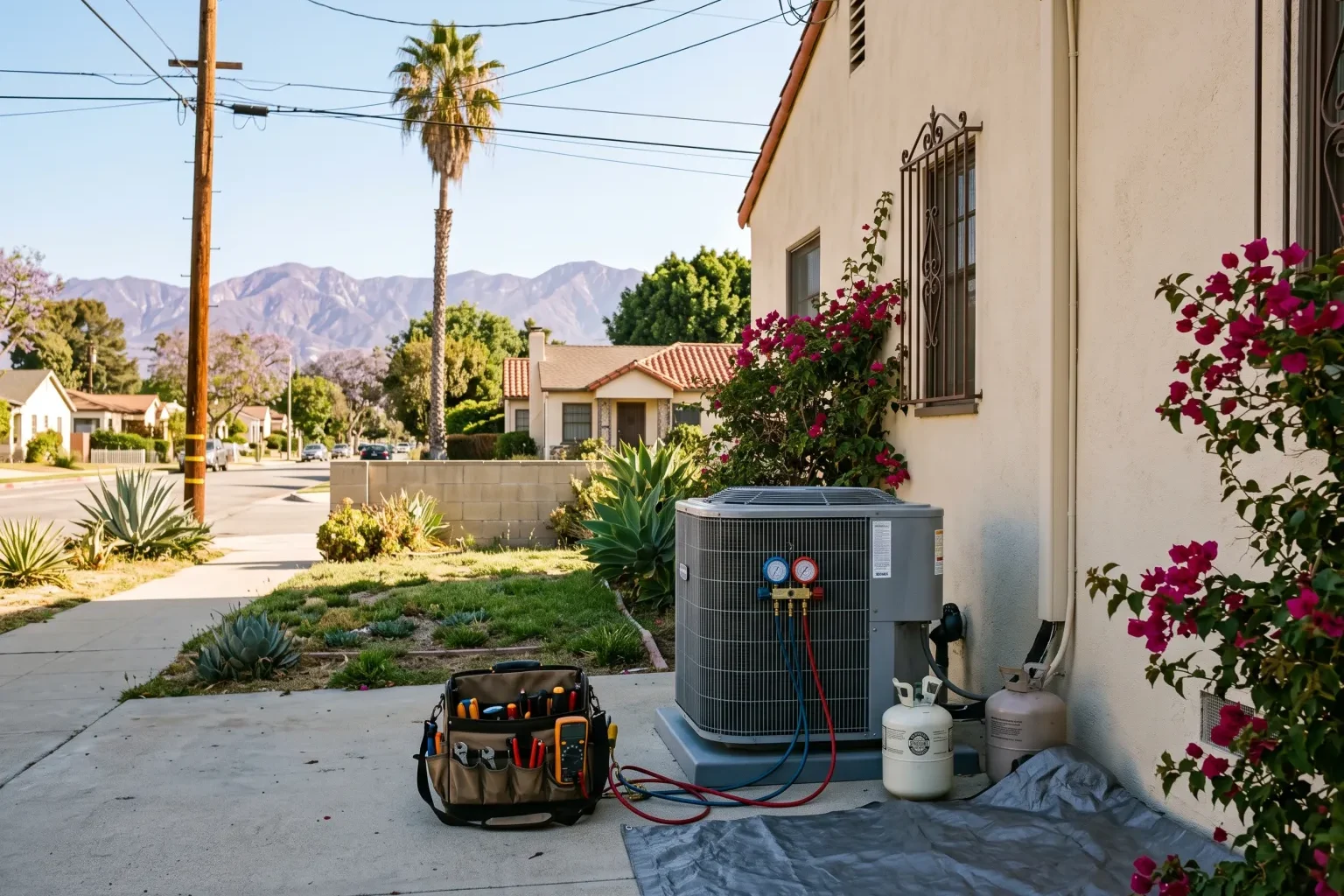
A maintenance visit is a hands-on inspection and cleaning of the parts that wear out or collect dirt. What we cover depends on your equipment: a central air conditioner with a gas furnace, a heat pump or a ductless system. A typical visit includes:
You'll get a written summary of what we found. It lists anything we cleaned or adjusted and anything we recommend you watch or fix.
- Air filter: check the size and condition, and replace it if you have a new one on hand or want us to supply one
- Thermostat: confirm it reads the temperature correctly and calls for heating and cooling as it should
- Outdoor coil: inspect for dirt, debris and bent fins, and rinse it when needed
- Indoor coil and condensate drain: look for buildup, clear the drain line and check the pan for standing water
- Refrigerant circuit: measure operating pressures and temperatures to spot a possible leak or charge problem
- Electrical parts: inspect wiring, contactors and capacitors, and tighten loose connections
- Blower and motors: check the blower wheel, the belt if there is one, and the motor's amp draw
- Gas furnace: inspect the burners, flame sensor and igniter, and check the venting and heat exchanger for cracks, corrosion or exhaust problems
- Heat pump: test the reversing valve and defrost operation in heating mode
- Airflow: measure the temperature difference across the system and note obvious duct leaks at connections we can reach
Repair or replace: what happens if we find a problem
Maintenance often catches small issues, like a weak capacitor or a clogged drain. If we have the part, we can usually fix these on the same visit. When we find something bigger, we explain it, show you what we saw and give you your options before doing any more work.
Repair usually makes sense when the system is otherwise in good shape and the fix restores normal operation. Replacement is worth discussing in a few cases: the same parts keep failing, the system uses an older refrigerant that is getting harder to service, or a furnace heat exchanger is cracked. We'll tell you plainly which way we lean and why. The decision is yours.
If you're considering replacement, a few local rules and programs matter. South Coast AQMD Rule 1111 limits nitrogen oxide emissions from gas central furnaces sold and installed in the Los Angeles region. The air district has been amending the rule toward zero-emission requirements and sets the compliance dates, so check the current version before planning a new furnace.
LADWP residential customers can apply for rebates on qualifying heat pump systems, with the amount based on the unit's SEER2 and HSPF2 ratings. You file the application after the system is purchased and installed, within 12 months of purchase. Some homes outside the City of Los Angeles are served by Southern California Edison instead, so the rebates available to you depend on your utility. We confirm the current offer before quoting it. The federal 25C tax credit for heat pumps covered only equipment placed in service before December 31, 2025, so it isn't available for new installations.
What affects the cost of maintenance
We quote before we start, and the price depends on the work your system actually needs. The main factors are:
- The type and number of systems, such as a single split system versus a heat pump plus a ductless unit
- How long it's been since the last service, and how much cleaning the coils and drain need
- Access to equipment in attics, crawlspaces, closets or on roofs
- Whether you need replacement filters or other parts
- Any repairs you approve after the inspection
How a maintenance visit works
Here is what to expect from scheduling to wrap-up:
Please have someone home for the visit and make sure the thermostat, indoor unit and outdoor unit are easy to reach. We serve Reseda and nearby Valley neighborhoods, including Northridge, Tarzana, Encino, Van Nuys, Canoga Park, Winnetka and Lake Balboa.
- You book a time and tell us what equipment you have and any symptoms you've noticed.
- A technician arrives, asks how the system has been running and confirms where the indoor and outdoor units are.
- We run the system, then shut off power to inspect, clean and test the parts listed above.
- We go over the findings with you, with photos when they help, and quote any repairs before doing them.
- You get a written summary for your records.