The short answer
Ventora HVAC Repair Service repairs gas furnaces in Simi Valley homes in 93063 and 93065. We find the actual cause of no-heat, short-cycling, and noise problems, check that the furnace is operating safely, and explain whether a repair or a replacement makes more sense before any work begins.
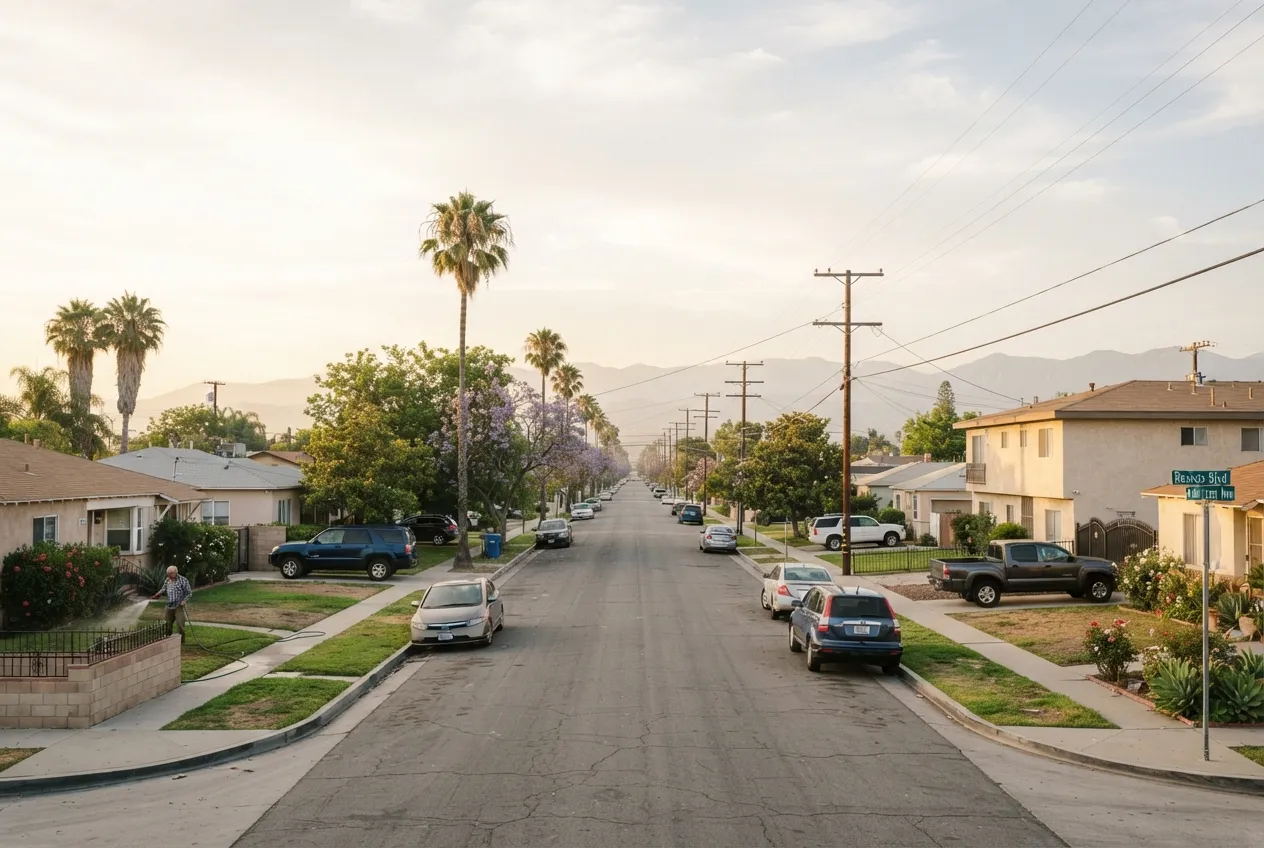
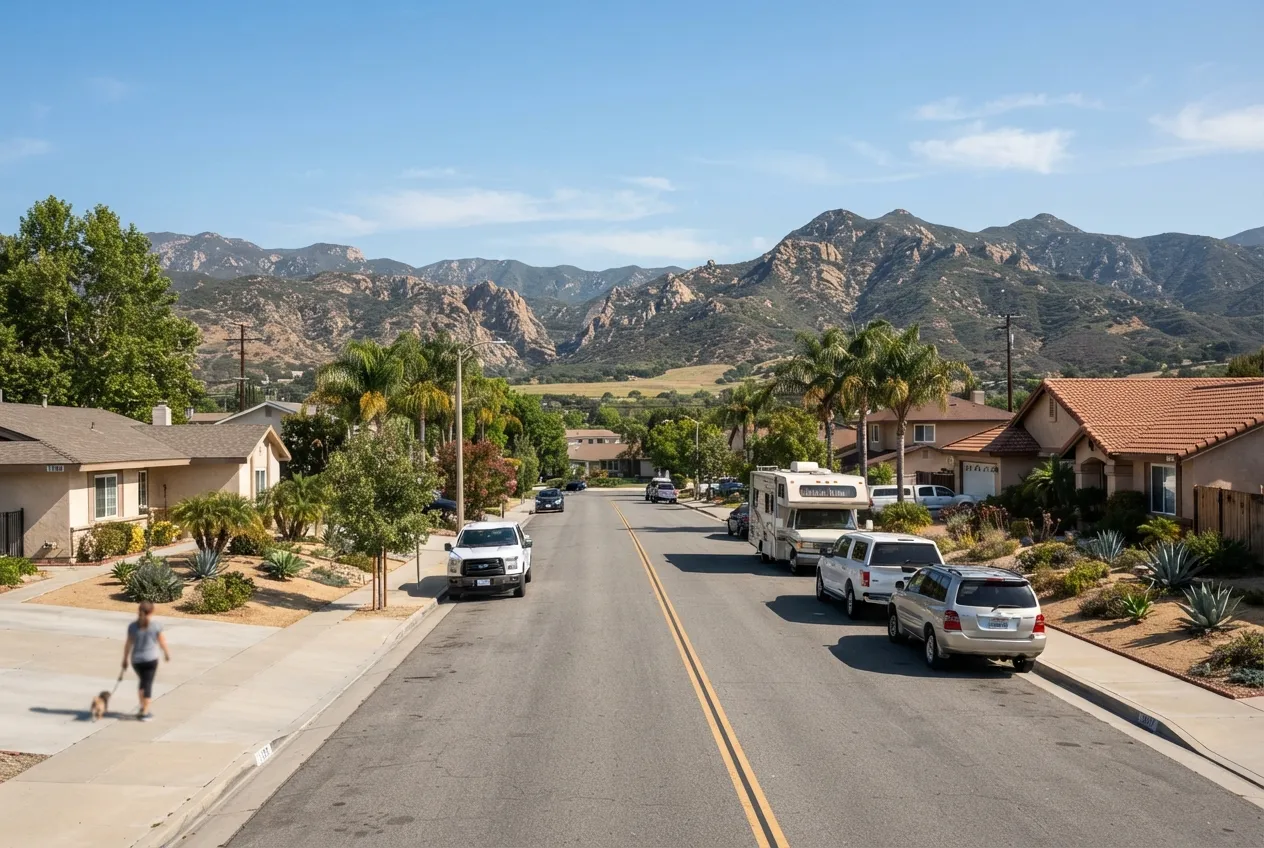
Simi Valley winters are mild, so many furnaces sit unused for months and then have to run steadily once the evenings turn cool. That is often when a weak igniter, a dirty flame sensor, or a clogged filter shows up. Ventora HVAC Repair Service travels about 14 miles west from our Reseda base to diagnose and repair furnaces in homes across the 93063 and 93065 ZIP codes. Before any work starts, we explain what failed, why it failed, and what your options are.
Common Furnace Problems After a Long Off-Season
A furnace that sat idle through a long, hot inland summer collects dust on its burners, sensors, and blower. When it finally starts up, small problems that went unnoticed last winter can stop it completely. These are the issues we see most often in Simi Valley homes:
- Furnace clicks or tries to light but never produces heat, often an igniter or flame sensor problem
- Burners light, then shut off after a few seconds or minutes
- Blower runs but blows cool air through the vents
- Short cycling, where the furnace turns on and off far more often than it should
- Burning-dust smell that lingers well past the first few minutes of use
- Rattling, banging, or squealing from the blower or the burner area
What Happens During a Repair Visit
We start by asking what you have noticed and when it started. Details like the noise it makes or how long it runs before shutting off help narrow the cause quickly. Then we check the thermostat, the filter, and the power and gas supply before opening the furnace. Inside the cabinet, we test the ignition sequence, the safety switches, the flame sensor, the blower, and the control board.
Once we find the cause, we explain it in plain terms and tell you what the repair involves before we do it. If a part needs to be ordered, we tell you so, and we make sure the furnace is left in a safe condition in the meantime. After the repair, we run the furnace through full heating cycles to confirm it lights, heats, and shuts off the way it should.
Safety Checks We Make on Every Furnace Repair
A gas furnace that heats is not necessarily safe, so every repair includes a look at the parts that keep combustion gases out of your living space. If we find a safety concern, we show it to you and explain what it means before you decide what to do next.
- Visual inspection of the heat exchanger for cracks or heavy corrosion
- Venting and flue checks for blockages, gaps, or poor connections
- Testing of limit switches and pressure switches that shut the burners down when something is wrong
- Gas connection checks at the furnace
- A reminder to keep working carbon monoxide alarms in the home
Repair or Replace? What Simi Valley Homeowners Should Know
Most no-heat calls end in a straightforward repair. Sometimes, though, an older furnace has a failing heat exchanger or keeps needing major parts, and replacement is worth discussing. If you are weighing that choice, we lay out both paths honestly, including whether a heat pump could handle both heating and cooling for your home. Equipment and emissions requirements for new furnaces are set by local regulators and change over time, so we check the current rules that apply to your address before recommending any new equipment.
Rebates also depend on where you live. Simi Valley is outside the City of Los Angeles, and many homes outside the city are served by Southern California Edison rather than LADWP. Available rebates depend on the utility that serves your address, and we confirm the current offer before quoting it. Also note that the federal Energy Efficient Home Improvement Credit for heat pumps covered systems placed in service before December 31, 2025. It is not available for new installations after that date.
Getting Your Furnace Ready Before You Need It
Fall in this area can swing from hot, dry Santa Ana days to cool evenings within a short stretch, and those wind events push dust into homes and filters. A few simple steps can help you avoid a no-heat surprise:
- Replace the furnace filter before the first cool evening, and again after windy, dusty spells
- Switch the thermostat to heat and run a test cycle early in the fall
- Keep the area around the furnace and its vents clear of stored items
- Call us if you notice a new smell, a new noise, or a furnace that will not stay lit
More services in Simi Valley
- AC Repair in Simi Valley
- Heating Repair in Simi Valley
- Heat Pump Installation in Simi Valley
- AC Installation in Simi Valley