The short answer
Ventora HVAC Repair Service repairs gas furnaces in homes across Los Angeles, from ignition and flame sensor problems to blower, pressure switch, and airflow faults. We find the cause, explain the repair before doing it, and give you straight information if replacement makes more sense, including the local emissions rule and the rebates that apply to your address.
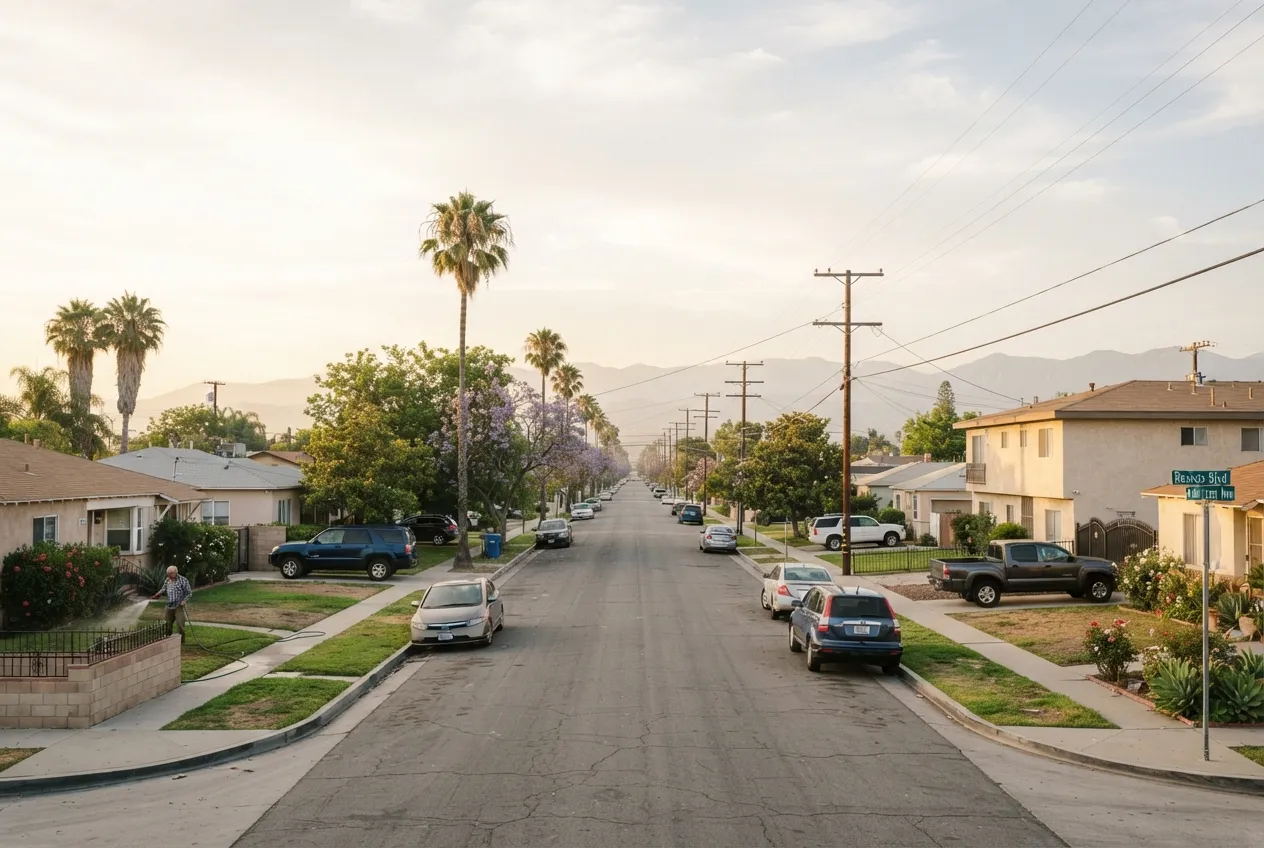
Most Los Angeles furnaces sit idle for months, then get asked to run hard on a few cold nights each winter. That stop-and-start pattern causes its own problems: igniters that crack after a long rest, flame sensors coated with residue, clogged filters forgotten since last year, and safety switches that shut the system down on the first real call for heat. Ventora HVAC Repair Service sends technicians from our base in Reseda, about 13 miles away, to diagnose and repair gas furnaces in apartments, bungalows, duplexes, and single-family homes across the city, including ZIP codes 90002, 90004, 90007, 90011, and 90012.
Why Los Angeles Furnaces Fail the Way They Do
Los Angeles has a Mediterranean climate with dry summers and mild winters. Furnaces here run far fewer hours than they would in colder parts of the country, which sounds easy on the equipment but isn't always. Parts that sit unused for most of the year tend to fail at the moment you need them, often on the first chilly evening in late fall.
Dust is another factor. Fall Santa Ana winds bring hot, dry spells and carry fine dust into attics, closets, and return air ducts. That dust loads up filters, settles on flame sensors, and can restrict airflow enough to trip a furnace's high-limit switch. Many older Los Angeles homes also have furnaces in tight hall closets, attics, or under-floor spaces where poor airflow and hard access make small problems worse.
What We Check on a Furnace Repair Visit
We start by asking what you noticed: no heat, short cycling, odd noises, a smell, or a blinking light on the control board. Many modern furnaces store error codes, and reading them points us toward the right part instead of guessing. From there, we work through the system in order.
- Thermostat settings, wiring, and batteries
- Filter condition and return air restrictions
- Hot surface igniter or spark ignition
- Flame sensor and burner condition
- Inducer motor, pressure switch, and venting
- High-limit and rollout safety switches
- Blower motor, capacitor, and belt where applicable
- Gas valve operation and burner flame appearance
- Visual check of the heat exchanger for cracks or signs of overheating
When to Shut the Furnace Off and Call
Some furnace problems are an inconvenience. Others are a safety issue. If you smell gas, leave the home and call your gas utility from outside before calling anyone else. If a carbon monoxide alarm goes off, get everyone outside and call 911.
For problems that aren't emergencies, turn the furnace off and schedule a repair if you notice any of the following:
- A burning smell that lasts beyond the first few minutes of the season
- Yellow or flickering flames instead of steady blue ones
- Soot or scorch marks around the furnace cabinet
- Repeated clicking with no ignition
- The furnace starting and stopping every few minutes
- Loud banging, squealing, or grinding from the blower
Repair or Replace: What Los Angeles Homeowners Should Know
Most furnace calls end with a repair. But if your furnace is old, has a cracked heat exchanger, or needs several major parts, we'll tell you plainly and let you decide.
If replacement is on the table, local rules matter. South Coast AQMD Rule 1111 limits nitrogen oxide emissions from natural-gas fan-type central furnaces sold and installed in the Los Angeles region, and the district has been amending it toward zero-emission requirements. Because the district sets and revises the compliance dates, anyone planning a furnace replacement should check the current rule first.
Many homeowners now compare a new gas furnace with a heat pump. LADWP residential electric customers can apply for Consumer Rebate Program rebates on qualifying heat pump systems, with the amount based on the unit's SEER2 and HSPF2 ratings. The application is filed after the equipment is purchased and installed, within 12 months of purchase. Homes in nearby cities may be served by Southern California Edison instead, so we confirm the current offer for your address before quoting it. The federal 25C tax credit covered qualifying heat pumps placed in service before December 31, 2025, and is not available for new installations after that date.
Where We Work Around Los Angeles
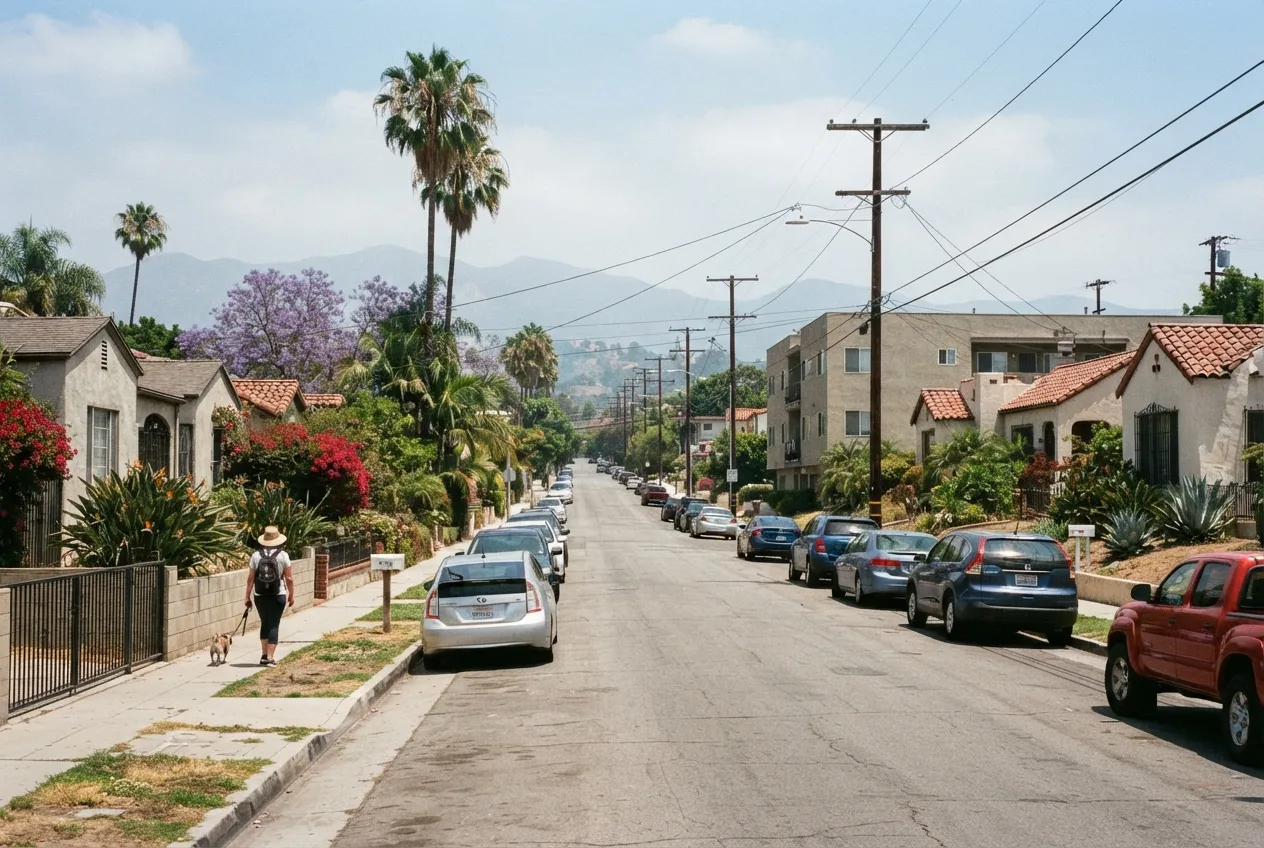
Our technicians cover homes throughout the city of Los Angeles in Los Angeles County, along with nearby Culver City, Beverly Hills, Santa Monica, West Hollywood, and Burbank. When you call, tell us your address and the furnace's location in the home, whether it's in a closet, attic, garage, or crawl space, so we arrive ready for the access involved.
More services in Los Angeles
- AC Repair in Los Angeles
- Heating Repair in Los Angeles
- Heat Pump Installation in Los Angeles
- AC Installation in Los Angeles