The short answer
Ventora HVAC Repair Service repairs gas furnaces in Beverly Hills homes in the 90211 and 90212 ZIP codes. Most failures we see come from long periods of disuse, such as dirty flame sensors, weak igniters, clogged filters, and failed safety switches. Before any repair, we inspect the furnace for safety issues such as a cracked heat exchanger.
A broken furnace in Beverly Hills is rarely a deep-freeze emergency, but cold winter nights and chilly mornings still make a working heater matter. Ventora HVAC Repair Service travels about 10 miles southeast from our base in Reseda to repair gas furnaces in homes across the 90211 and 90212 ZIP codes. Furnaces here often sit unused for months, so many of the problems we find come from that downtime: dust on the burners, worn igniters, clogged filters, and flame sensors that need cleaning. This page covers what we check, what you can safely try yourself, and how to tell whether a repair makes more sense than a replacement.
Why Beverly Hills Furnaces Fail the Way They Do
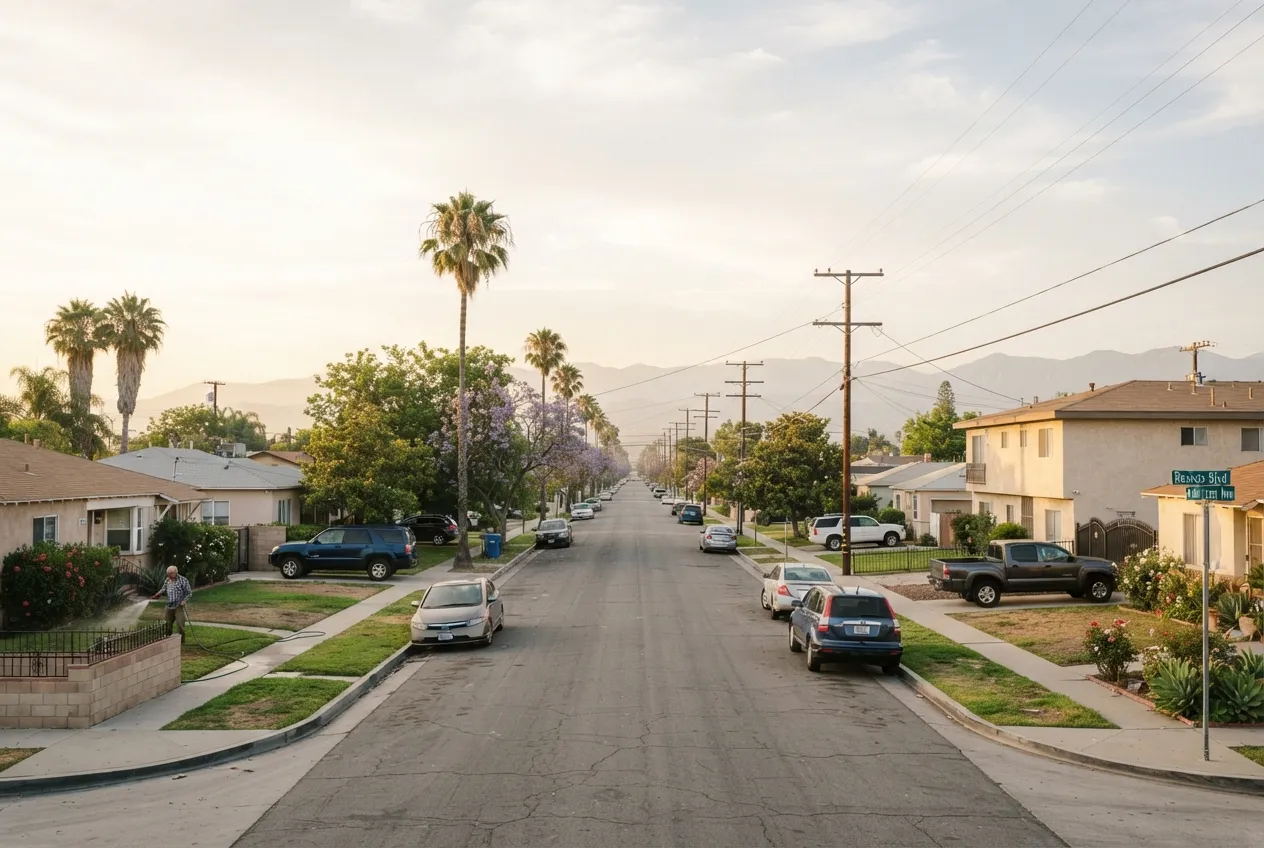
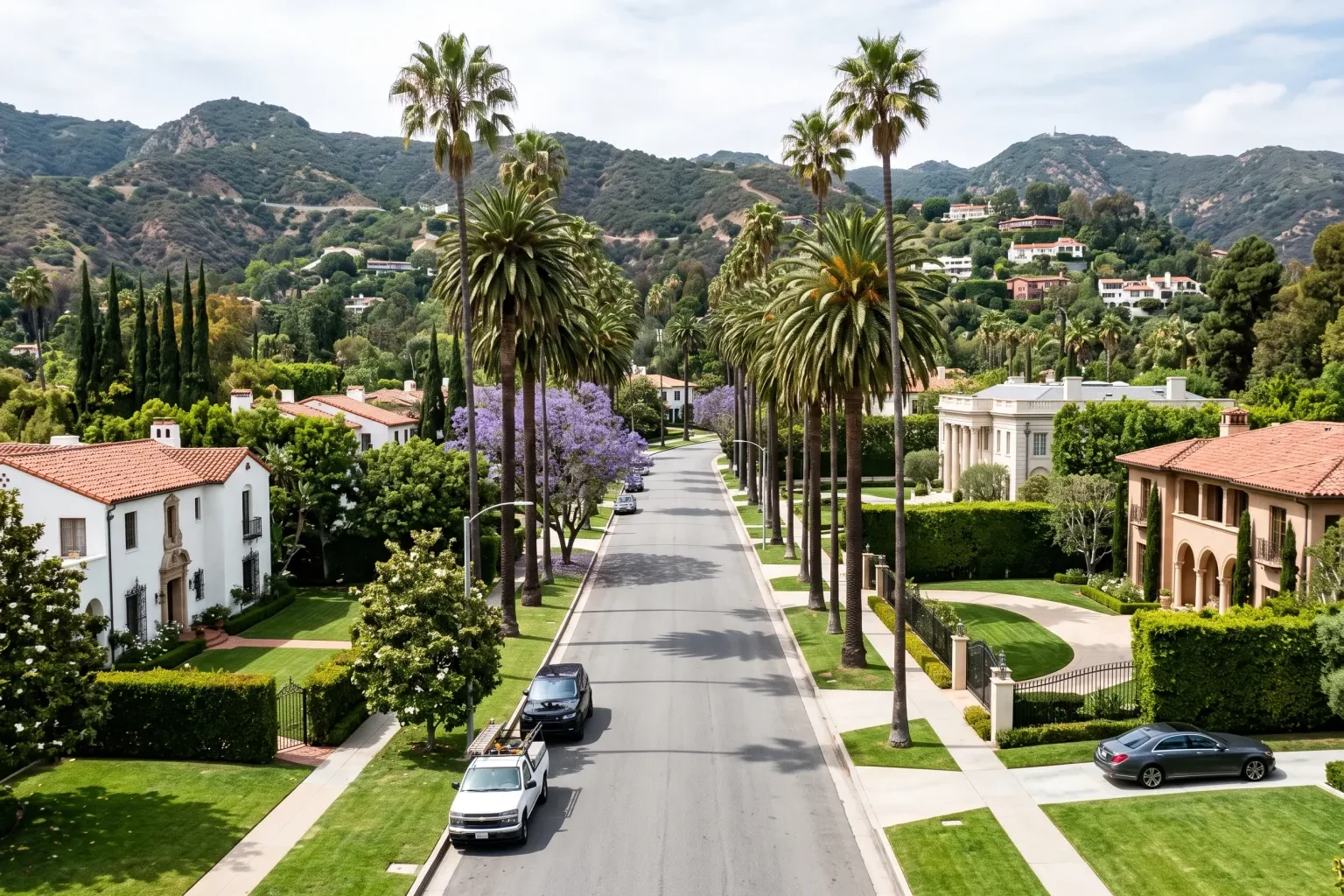
Los Angeles has a Mediterranean climate with dry summers and mild winters. That means the furnace in a Beverly Hills home may run only a few weeks a year, mostly on cool evenings and early mornings. Equipment that sits idle doesn't stay clean. Dust settles on burners and sensors, and parts that worked fine last spring can fail on the first cold night.
Fall Santa Ana winds bring hot, dry spells that can push fine dust into attics, closets, and return vents where furnaces and filters are located. A filter that looked fine months ago may be loaded by the time you turn on the heat. Older homes may also have furnaces in tight attic or crawlspace locations, where wiring, flue pipes, and condensate lines get less attention than they should.
Signs Your Furnace Needs Repair
Some problems are obvious, like no heat at all. Others develop slowly and are easy to ignore until the system stops working. Call for service if you notice any of the following:
- The blower runs, but the air coming from the vents is cool or room temperature
- The furnace starts, shuts off after a few seconds, and keeps repeating that cycle
- A burning-dust smell that doesn't clear up after the first hour or so of the season
- Clicking from the igniter without the burners lighting
- Loud banging, squealing, or rattling from the cabinet or ductwork
- A yellow or flickering burner flame instead of a steady blue one
- A carbon monoxide alarm going off, or a blinking error light on the control board
What to Check Before You Call
A few simple checks can save you a service visit. If any of these steps involve opening panels or touching gas parts, stop and leave it to a technician.
- Make sure the thermostat is set to Heat and the setpoint is above the room temperature, and replace its batteries if it uses them
- Check that the furnace power switch, which often looks like a light switch near the unit, is on
- Look at the circuit breaker for the furnace and reset it once if it has tripped
- Replace a dirty filter, since a clogged filter can cause the furnace to overheat and shut itself off
- If you smell gas, don't touch light switches or the thermostat; leave the house and call your gas utility or 911 from outside
How We Handle a Furnace Repair Visit
We start by asking what you've noticed and when it started, then run the furnace through a full heating cycle to watch the problem happen. We check the ignition sequence, flame sensor, limit and pressure switches, inducer and blower motors, gas pressure, and venting. Before we recommend a repair, we inspect the heat exchanger and flue for cracks, gaps, or signs of backdrafting, because those affect safety, not just comfort.
We'll explain what failed and why, show you the part when we can, and give you the options before any work begins. If the problem comes from airflow, such as a restricted return or crushed duct, we'll tell you so you're not replacing parts that will fail again.
Repair or Replace: What to Know Locally
Most furnace problems can be repaired. Replacement is worth considering when the heat exchanger is cracked, when the same major parts keep failing, or when the furnace is near the end of its service life. If you're leaning toward replacement, check the current South Coast AQMD Rule 1111 before you choose new equipment. That rule limits NOx emissions from gas furnaces sold and installed in the Los Angeles region, and the district has been amending it toward zero-emission requirements, with compliance dates that it sets and revises.
Some Beverly Hills homeowners switch to a heat pump instead. Rebates depend on which utility serves your address. Many homes outside the City of Los Angeles are served by Southern California Edison rather than LADWP, so we confirm the current offer before quoting it. Note that the federal 25C tax credit for heat pumps covered only equipment placed in service before December 31, 2025, so it isn't available for new installations.
More services in Beverly Hills
- AC Repair in Beverly Hills
- Heating Repair in Beverly Hills
- Heat Pump Installation in Beverly Hills
- AC Installation in Beverly Hills